-1.png?width=134&height=66&name=amwhiz-logo%20(1)-1.png)



Introduction The global toy industry continues to grow rapidly as more parents prefer shopping...
written by: Renuka M
Custom eCommerce website development,
Auto Parts Online Store,
Vehicle Spare Parts Store,
Automotive Ecommerce Solutions,
Automotive Ecommerce Website Development,
Spare Parts Ecommerce Website,
Automotive Website Development,
Auto Parts Ecommerce Solutions,
Shopify Automotive Store,
Online Spare Parts Business
Introduction
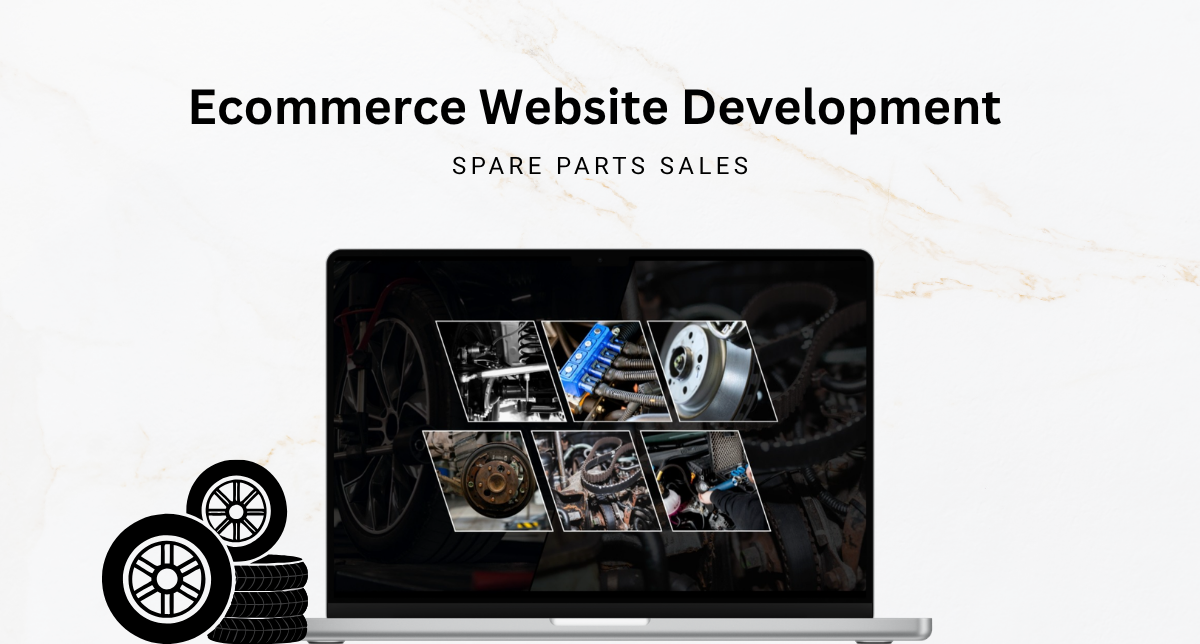
The automotive industry is rapidly embracing digital transformation as customers increasingly prefer purchasing vehicle spare parts online. Whether they need replacement components, accessories, performance upgrades, or maintenance products, buyers now expect a fast, convenient, and reliable online shopping experience.
For automotive businesses, manufacturers, distributors, and spare parts retailers, having a dedicated ecommerce website has become essential for reaching a wider audience and increasing sales.
An automotive ecommerce website allows businesses to showcase thousands of products, manage inventory efficiently, provide detailed product information, and streamline order processing.
In this guide, we will explore everything you need to know about automotive ecommerce website development for spare parts sales, including essential features, benefits, best practices, and frequently asked questions.
Why Automotive Businesses Need an Ecommerce Website
Modern consumers prefer searching and comparing automotive parts online before making a purchase. A dedicated ecommerce website helps businesses meet these expectations while expanding their market reach.
Key advantages include:
- Twenty four hour online sales availability
- Access to local and global customers
- Improved product visibility
- Faster order processing
- Better inventory management
- Enhanced customer experience
An ecommerce platform allows automotive businesses to operate more efficiently while increasing revenue opportunities.
Essential Features of an Automotive Ecommerce Website
Advanced Product Search
Automotive websites often contain thousands of spare parts. Customers need a fast and accurate way to locate compatible products.
Useful search options include:
- Vehicle make search
- Vehicle model search
- Year based filtering
- Part number search
- Category filtering
Vehicle Compatibility Checker
A vehicle compatibility feature helps customers find parts that fit their specific vehicle.
- Car brand selection
- Model selection
- Engine type selection
- Year selection
This reduces purchase errors and improves customer satisfaction.
Detailed Product Pages
Each spare part listing should include comprehensive information.
- Product images
- Technical specifications
- Compatibility details
- Installation information
- Warranty information
- Customer reviews
Inventory Management System
Real time inventory updates help businesses maintain accurate stock levels and avoid overselling products.
Secure Payment Integration
Customers expect flexible and secure payment options.
- Credit cards
- Debit cards
- Digital wallets
- Online banking
- Buy now pay later solutions
Mobile Responsive Design
Many customers search for spare parts using smartphones. A responsive website ensures a smooth shopping experience on all devices.
Benefits of Automotive Ecommerce Website Development
Increased Sales Opportunities
Online stores allow businesses to generate sales beyond traditional business hours and geographic limitations.
Improved Customer Experience
Customers can quickly search, compare, and purchase spare parts without visiting a physical store.
Better Inventory Control
Automated inventory management improves stock visibility and reduces manual errors.
Higher Operational Efficiency
Automated order processing, invoicing, and inventory tracking help streamline business operations.
Data Driven Decision Making
Businesses gain access to valuable sales, customer, and inventory insights that support strategic planning.
Important Spare Parts Categories for Ecommerce Stores
- Engine components
- Brake systems
- Suspension parts
- Electrical components
- Filters and maintenance products
- Lighting systems
- Wheels and tires
- Interior accessories
- Exterior accessories
- Performance upgrade parts
Best Practices for Automotive Ecommerce Website Development
Focus on Search Engine Optimization
SEO helps automotive websites attract customers searching for spare parts online.
- Optimize product pages
- Target industry keywords
- Create informative content
- Improve website speed
Provide Accurate Compatibility Information
Vehicle compatibility details help reduce returns and improve customer confidence.
Use High Quality Product Images
Clear product images improve trust and help customers evaluate products before purchasing.
Offer Multiple Shipping Options
Flexible shipping methods improve customer satisfaction and support faster deliveries.
Display Customer Reviews
Product reviews help build credibility and influence purchasing decisions.
Marketing Strategies for Automotive Ecommerce Stores
- Search engine optimization
- Pay per click advertising
- Email marketing campaigns
- Social media marketing
- Retargeting campaigns
- Content marketing
Combining these strategies helps drive traffic and increase spare parts sales.
Challenges in Automotive Ecommerce Development
- Managing large product catalogs
- Maintaining compatibility databases
- Inventory synchronization
- Competitive pricing management
- Complex shipping requirements
Proper planning and the right ecommerce platform can help businesses overcome these challenges effectively.
Conclusion
Automotive ecommerce website development for spare parts sales provides businesses with a powerful platform to reach more customers, streamline operations, and increase revenue.
With advanced search functionality, vehicle compatibility tools, inventory management, and secure payment systems, businesses can create a seamless online shopping experience for customers.
As demand for online automotive shopping continues to grow, investing in a professional ecommerce website can help spare parts businesses stay competitive and achieve long term success.
FAQ
1. Why do automotive spare parts businesses need an ecommerce website?
An ecommerce website helps businesses reach more customers, increase online sales, improve inventory management, and provide a better shopping experience.
2. What features are important for an automotive ecommerce website?
Important features include advanced search, vehicle compatibility tools, inventory management, secure payments, product reviews, and mobile responsiveness.
3. How does a vehicle compatibility checker help customers?
It helps customers identify spare parts that fit their specific vehicle, reducing purchase mistakes and product returns.
4. Can Shopify be used for automotive spare parts ecommerce websites?
Yes, Shopify can support automotive ecommerce stores with custom features, inventory management, secure payments, and scalability.
5. How can automotive ecommerce websites attract more customers?
Businesses can attract customers through SEO, paid advertising, social media marketing, content creation, and email marketing campaigns.